

- home
- about
Step into Baohong
- Products
Products and Services
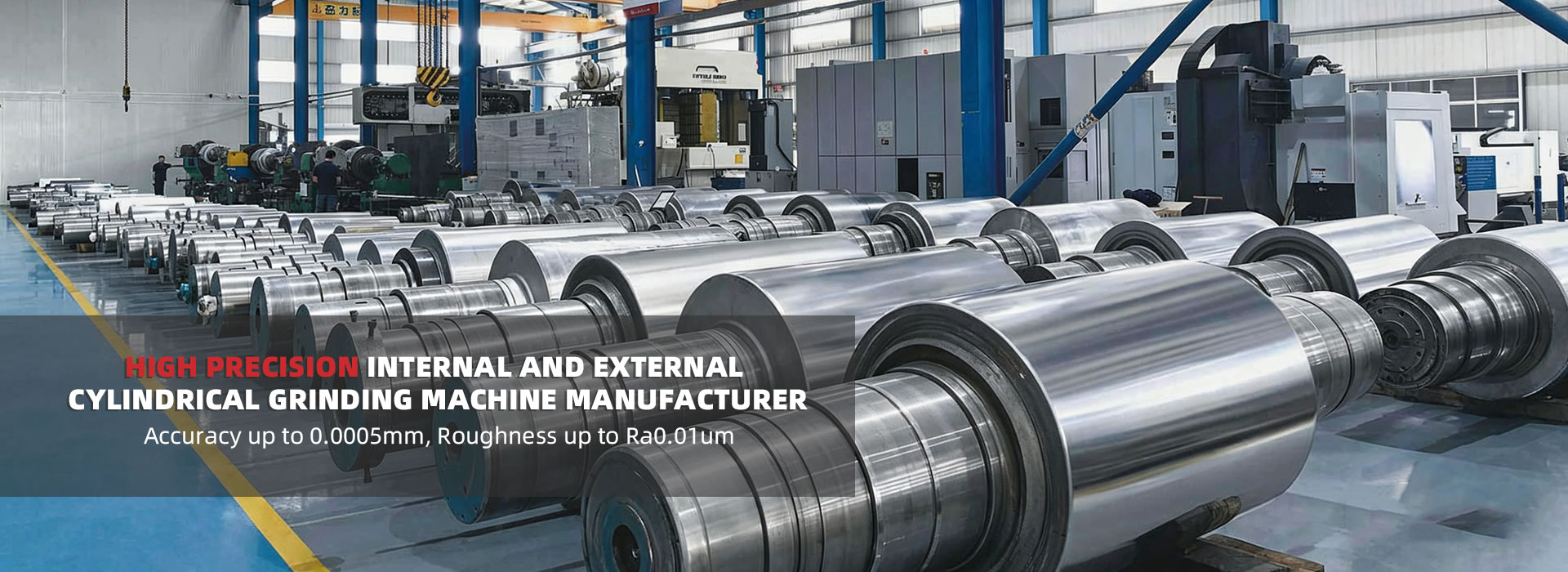
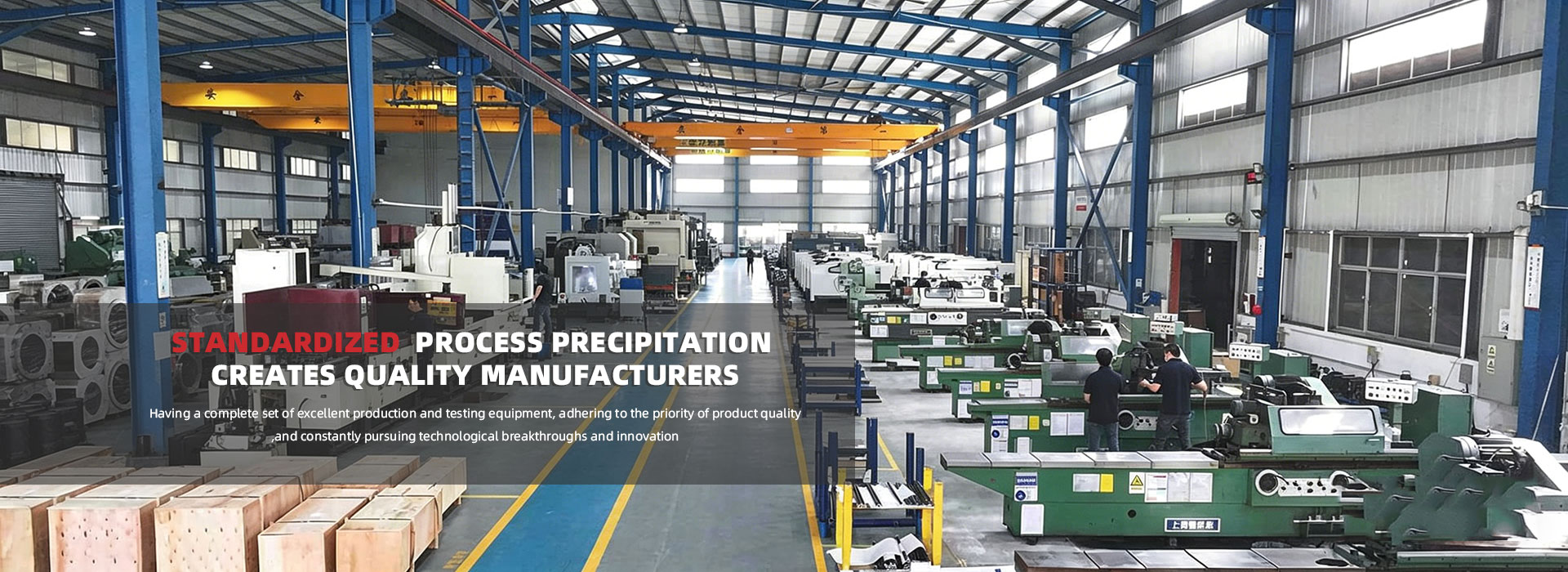
- production equipment Large CNC lathe machining CNC Roll Grinding Machine Processing Precision cylindrical grinder and surface grinder processing Surface treatment equipment Inspection equipment other devices
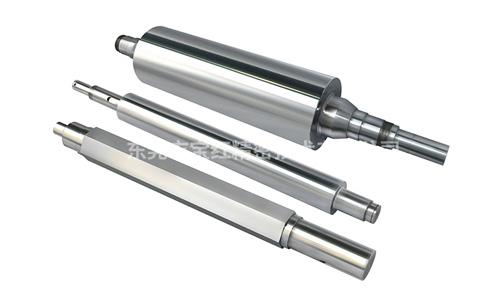
- Product Center Lithium Battery Electrode Roller Production and Grinding Services High-Precision Coating Die Production and Grinding Services Production and manufacturing of various types of precision metal rollers Production and manufacturing of carbon fiber rollers Production and manufacturing of rubber rollers Various precision machined parts
- Video
- News
-
+86 137 1222 8567
-
- Products

4News Center -> industry consulting
2026
-
04
-
24
The performance quality of rolling mill generally depends on its composition and production method, and can be evaluated based on its microstructure, physical and mechanical properties, as well as the type of residual stress inside the rolling mill. The effectiveness of using rollers in rolling mills depends not only on the roller material and metallurgical quality, but also on the scope of application, roller design concept, and actual operation and maintenance. There are significant differences in the applicable range of rollers for different types of rolling mills, which are caused by the following factors: (1) necessary conditions for rolling mills. Such as rolling mill type, rolling mill and rolling mill design concept, pass design, water cooling conditions, and bearing type;
2026
-
04
-
24
Common roller colors and main uses. The performance quality of a rolling mill usually depends on its composition and production method, and can be evaluated based on its microstructure, physical and mechanical properties, as well as the type of residual stress present inside the rolling mill (such as rolling mill testing). The effectiveness of using rolling mills in rolling mills depends not only on the rolling mill material and metallurgical industry quality, but also on the scope of application, rolling mill design scheme, and actual operation and maintenance. There are significant differences in the applicable range of rolling mill rolls for different types of rolling mills, which are caused by the following factors: (1) rolling mill standards. Such as rolling mill type, rolling mill and rolling mill design scheme, mold structure design, water cooling conditions, and bearing type;
Total:3
Total Pages:1 |
Page1
9First Page
7Previous
Next8
Last Page:
Jump