

- home
- about
Step into Baohong
- Products
Products and Services
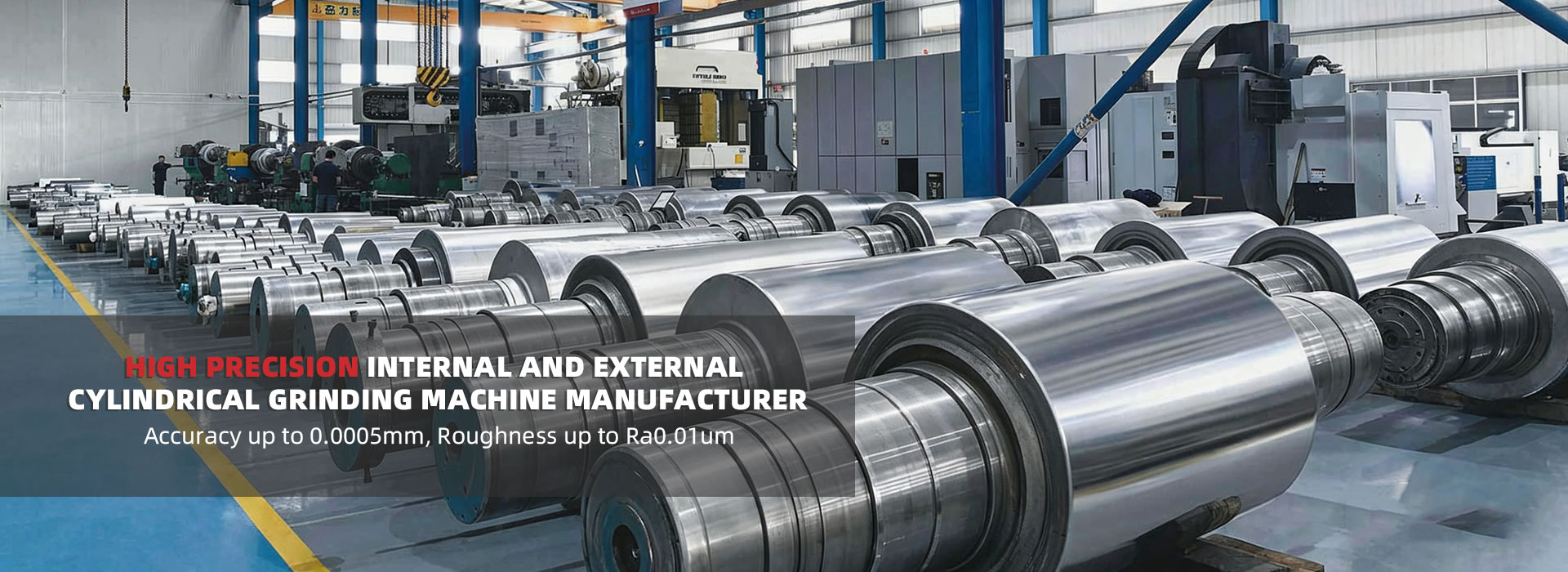
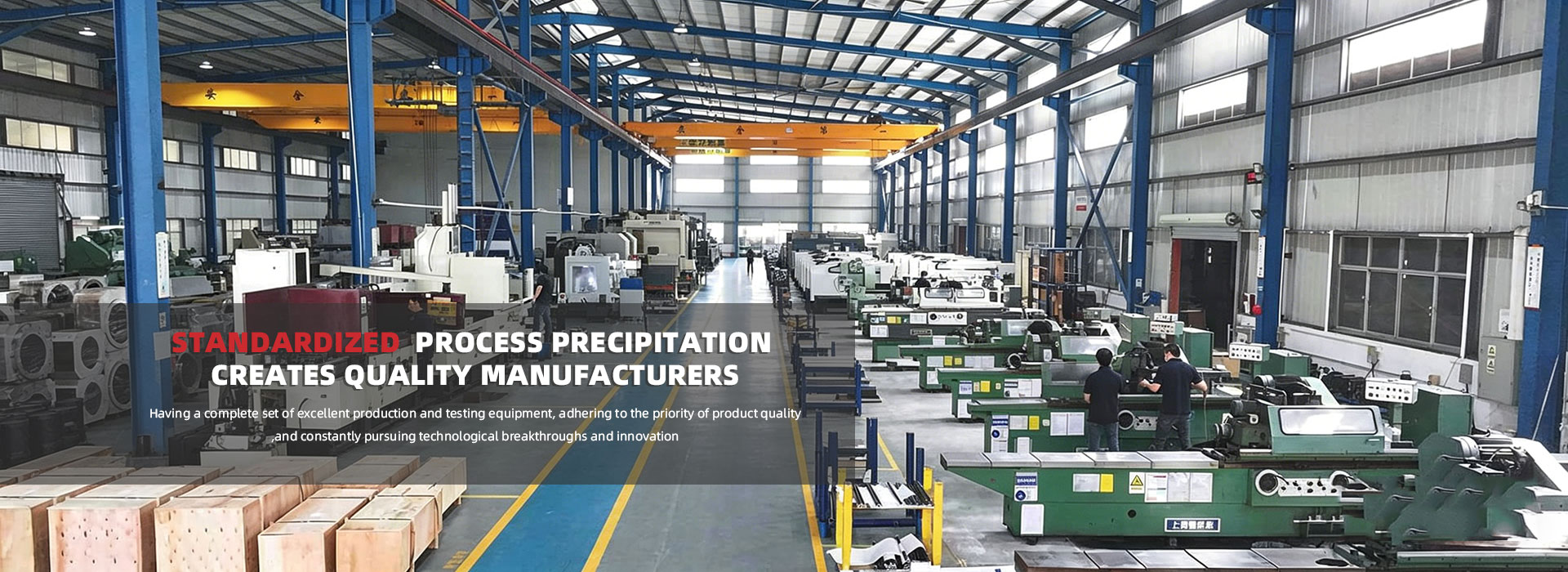
- production equipment Large CNC lathe machining CNC Roll Grinding Machine Processing Precision cylindrical grinder and surface grinder processing Surface treatment equipment Inspection equipment other devices
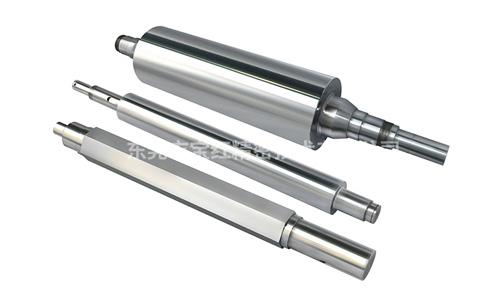
- Product Center Lithium Battery Electrode Roller Production and Grinding Services High-Precision Coating Die Production and Grinding Services Production and manufacturing of various types of precision metal rollers Production and manufacturing of carbon fiber rollers Production and manufacturing of rubber rollers Various precision machined parts
- Video
- News
-
+86 137 1222 8567
-
- Products

4News Center -> industry consulting
The use of tungsten steel rollers
The performance quality of rolling mill generally depends on its composition and production method, and can be evaluated based on its microstructure, physical and mechanical properties, as well as the type of residual stress inside the rolling mill. The effectiveness of using rollers in rolling mills depends not only on the roller material and metallurgical quality, but also on the scope of application, roller design concept, and actual operation and maintenance. There are significant differences in the applicable range of rollers for different types of rolling mills, and the factors that cause these differences are::
(2) The necessary conditions for rolling include the type, specification, and deformation resistance of the rolled material, the pressing system and temperature system, production requirements, and actual operation;
(3) The requirements for product quality and surface quality, etc.
Technical performance of tungsten steel rolling rolls: Generally, the basic requirements for rough rolling rolls are compressive strength and resistance to thermal cracking.
Hardness: The speed of the precision rolling roll is high, and the rolled product should have sufficient surface quality, with hardness, wear resistance, and other main requirements.
Impact resistance: When the pressing amount is too large, it is required that the rolling mill has strong biting characteristics and is more resistant to impact.
Smooth finish: When rolling thin specification products, strict conditions are imposed on the stiffness, uniformity of organizational characteristics, dimensional accuracy, and surface smoothness of the rolling mill rolls.
The performance quality of rolling mill generally depends on its composition and production method, and can be evaluated based on its microstructure, physical and mechanical properties, as well as the type of residual stress inside the rolling mill. The effectiveness of using rollers in rolling mills depends not only on the roller material and metallurgical quality, but also on the scope of application, roller design concept, and actual operation and maintenance. There are significant differences in the applicable range of rollers for different types of rolling mills, and the factors that cause these differences are::
(2) The necessary conditions for rolling include the type, specification, and deformation resistance of the rolled material, the pressing system and temperature system, production requirements, and actual operation;
(3) The requirements for product quality and surface quality, etc.
Technical performance of tungsten steel rolling rolls: Generally, the basic requirements for rough rolling rolls are compressive strength and resistance to thermal cracking.
Hardness: The speed of the precision rolling roll is high, and the rolled product should have sufficient surface quality, with hardness, wear resistance, and other main requirements.
Impact resistance: When the pressing amount is too large, it is required that the rolling mill has strong biting characteristics and is more resistant to impact.
Smooth finish: When rolling thin specification products, strict conditions are imposed on the stiffness, uniformity of organizational characteristics, dimensional accuracy, and surface smoothness of the rolling mill rolls.