

- home
- about
Step into Baohong
- Products
Products and Services
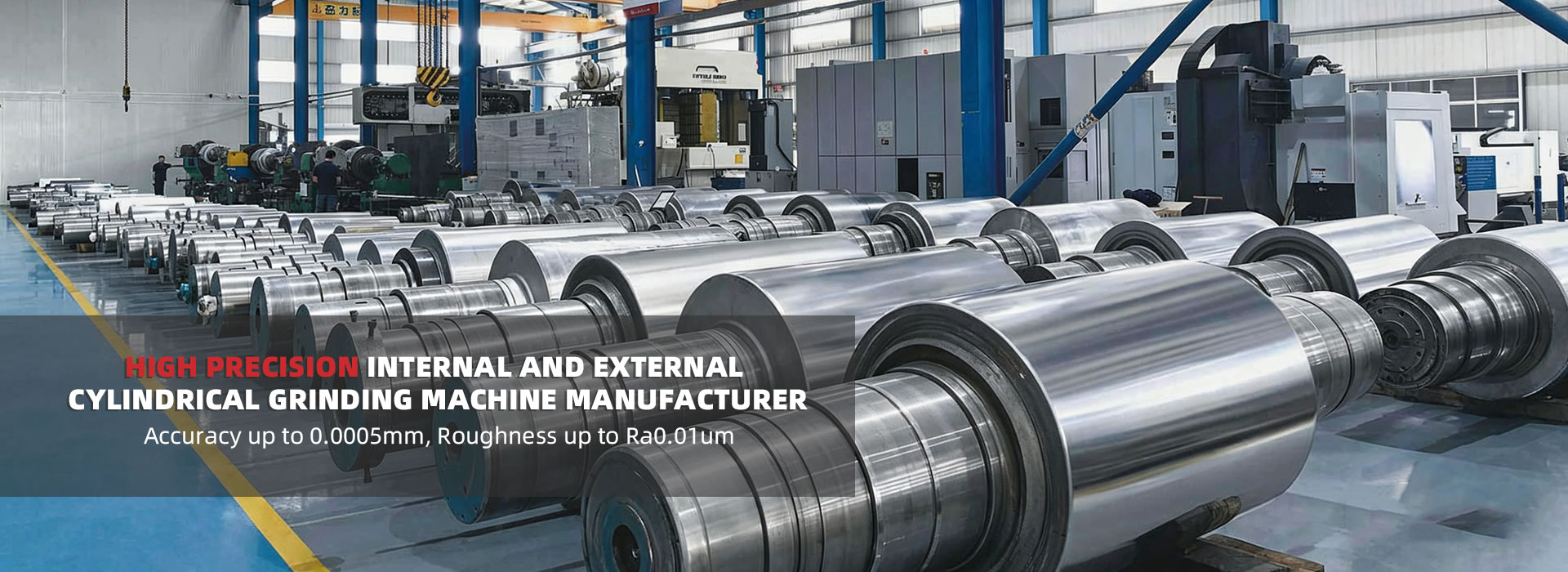
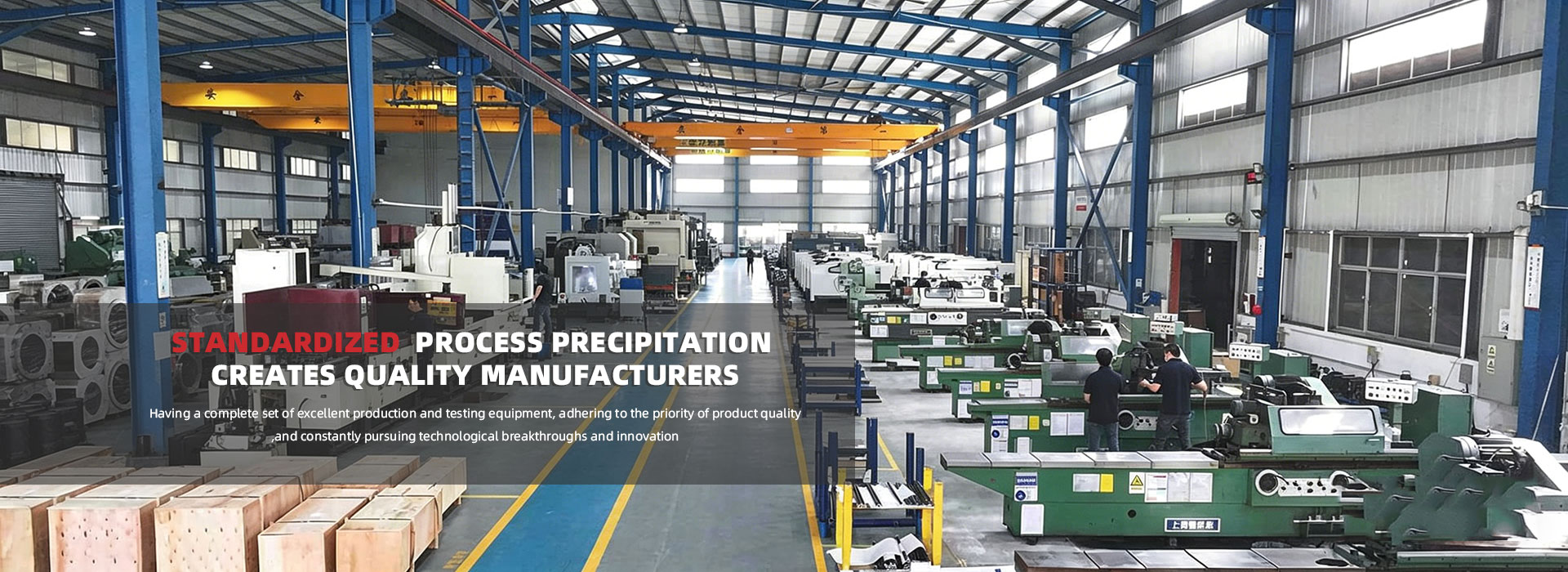
- production equipment Large CNC lathe machining CNC Roll Grinding Machine Processing Precision cylindrical grinder and surface grinder processing Surface treatment equipment Inspection equipment other devices
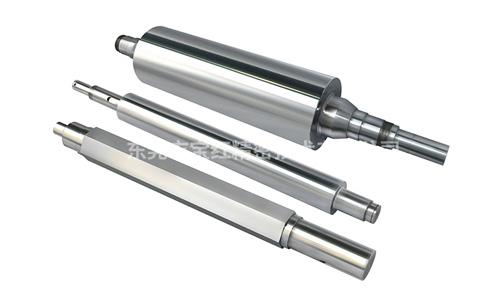
- Product Center Lithium Battery Electrode Roller Production and Grinding Services High-Precision Coating Die Production and Grinding Services Production and manufacturing of various types of precision metal rollers Production and manufacturing of carbon fiber rollers Production and manufacturing of rubber rollers Various precision machined parts
- Video
- News
-
+86 137 1222 8567
-
- Products

4News Center -> Technical Digest
The manufacturing process of large precision rollers is a complex and intricate process that involves multiple key steps to ensure product quality and accuracy. The following is a general process description:
Material selection: Large precision drum processing and manufacturing production selects suitable metal materials such as stainless steel, aluminum alloy, or high-strength steel seamless pipes as raw materials based on the purpose, working environment, and performance requirements of the drum.
Material inspection: Conduct quality inspection on selected raw materials to ensure they meet design requirements and relevant standards.
2、 Cutting and rough machining: According to the design drawings and specific requirements, use cutting equipment (such as laser cutting machines, plasma cutting machines, etc.) to accurately cut the raw materials and reserve appropriate margins for subsequent processing.
Rough machining (rough turning): By using mechanical processing methods such as turning, most of the blank residue on the surface of the drum body is removed, and the basic shape of the drum is initially formed. At this stage, the roughness and size requirements for the drum are relatively low.
3、 Balance detection and shaft head assembly
Static balance detection: Conduct static balance detection on the rough machined drum to ensure that it has no deflection phenomenon in a stationary state. If there is any deviation, adjust the counterweight to prevent vibration during operation.
Shaft head assembly: Use methods such as hot fitting, liquid nitrogen cold assembly, or interference fit to tightly bond the shaft head with the drum body. This step is the key to ensuring the stable operation of the drum.
4、 Precision machining and grinding: Precision machining (turning): Detailed semi precision and precision machining of the assembled drum to meet all the dimensions and technical requirements of the drum. At this stage, it is necessary to strictly control the machining accuracy and surface quality.
Grinding: Using high-speed rotating grinding wheels and other grinding tools to finely process the surface of the drum body, further improving the accuracy and surface quality of the drum. The ground drum should meet the precision and smoothness requirements of the design.
5、 Surface treatment is carried out on the drum according to its application industry, working environment, and specific requirements. Common surface treatment methods include encapsulation, mirror treatment, electroplating, anodized aluminum or PTFE spraying, etc. These treatments can improve the wear resistance, corrosion resistance, thermal conductivity, or aesthetics of the drum.
6、 Dynamic Balance Testing and Quality Inspection
Dynamic Balance Testing: To ensure good stability of the drum during rotation and avoid vibration affecting its service life and performance, strict dynamic balance testing must be conducted. By adjusting the counterweights on the drum and other methods, the drum can reach a dynamic equilibrium state during rotation.
Quality inspection: As an important part of quality control, each drum must undergo full-size inspection and performance testing before leaving the factory, and be accompanied by relevant inspection reports and certificates of conformity.
7、 Packaging and Shipping: The manufacturing and production of large precision rollers are carried out using appropriate packaging methods (such as wooden boxes, iron frames, etc.) based on the material, size, and design characteristics of the rollers to ensure that they are not damaged during transportation. The packaged drum will be shipped and delivered according to customer requirements.
1、 Raw material preparationMaterial selection: Large precision drum processing and manufacturing production selects suitable metal materials such as stainless steel, aluminum alloy, or high-strength steel seamless pipes as raw materials based on the purpose, working environment, and performance requirements of the drum.
Material inspection: Conduct quality inspection on selected raw materials to ensure they meet design requirements and relevant standards.
2、 Cutting and rough machining: According to the design drawings and specific requirements, use cutting equipment (such as laser cutting machines, plasma cutting machines, etc.) to accurately cut the raw materials and reserve appropriate margins for subsequent processing.
Rough machining (rough turning): By using mechanical processing methods such as turning, most of the blank residue on the surface of the drum body is removed, and the basic shape of the drum is initially formed. At this stage, the roughness and size requirements for the drum are relatively low.
3、 Balance detection and shaft head assembly
Static balance detection: Conduct static balance detection on the rough machined drum to ensure that it has no deflection phenomenon in a stationary state. If there is any deviation, adjust the counterweight to prevent vibration during operation.
Shaft head assembly: Use methods such as hot fitting, liquid nitrogen cold assembly, or interference fit to tightly bond the shaft head with the drum body. This step is the key to ensuring the stable operation of the drum.
4、 Precision machining and grinding: Precision machining (turning): Detailed semi precision and precision machining of the assembled drum to meet all the dimensions and technical requirements of the drum. At this stage, it is necessary to strictly control the machining accuracy and surface quality.
Grinding: Using high-speed rotating grinding wheels and other grinding tools to finely process the surface of the drum body, further improving the accuracy and surface quality of the drum. The ground drum should meet the precision and smoothness requirements of the design.
5、 Surface treatment is carried out on the drum according to its application industry, working environment, and specific requirements. Common surface treatment methods include encapsulation, mirror treatment, electroplating, anodized aluminum or PTFE spraying, etc. These treatments can improve the wear resistance, corrosion resistance, thermal conductivity, or aesthetics of the drum.
6、 Dynamic Balance Testing and Quality Inspection
Dynamic Balance Testing: To ensure good stability of the drum during rotation and avoid vibration affecting its service life and performance, strict dynamic balance testing must be conducted. By adjusting the counterweights on the drum and other methods, the drum can reach a dynamic equilibrium state during rotation.
Quality inspection: As an important part of quality control, each drum must undergo full-size inspection and performance testing before leaving the factory, and be accompanied by relevant inspection reports and certificates of conformity.
7、 Packaging and Shipping: The manufacturing and production of large precision rollers are carried out using appropriate packaging methods (such as wooden boxes, iron frames, etc.) based on the material, size, and design characteristics of the rollers to ensure that they are not damaged during transportation. The packaged drum will be shipped and delivered according to customer requirements.