

- home
- about
Step into Baohong
- Products
Products and Services
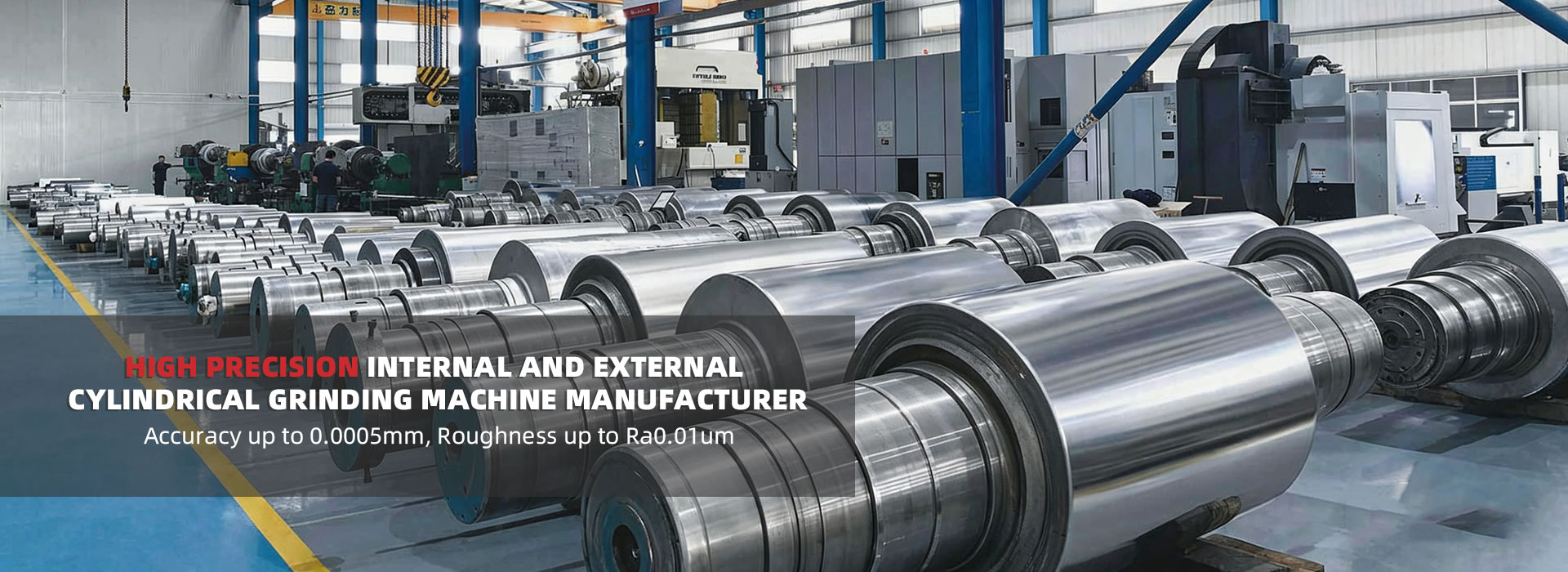
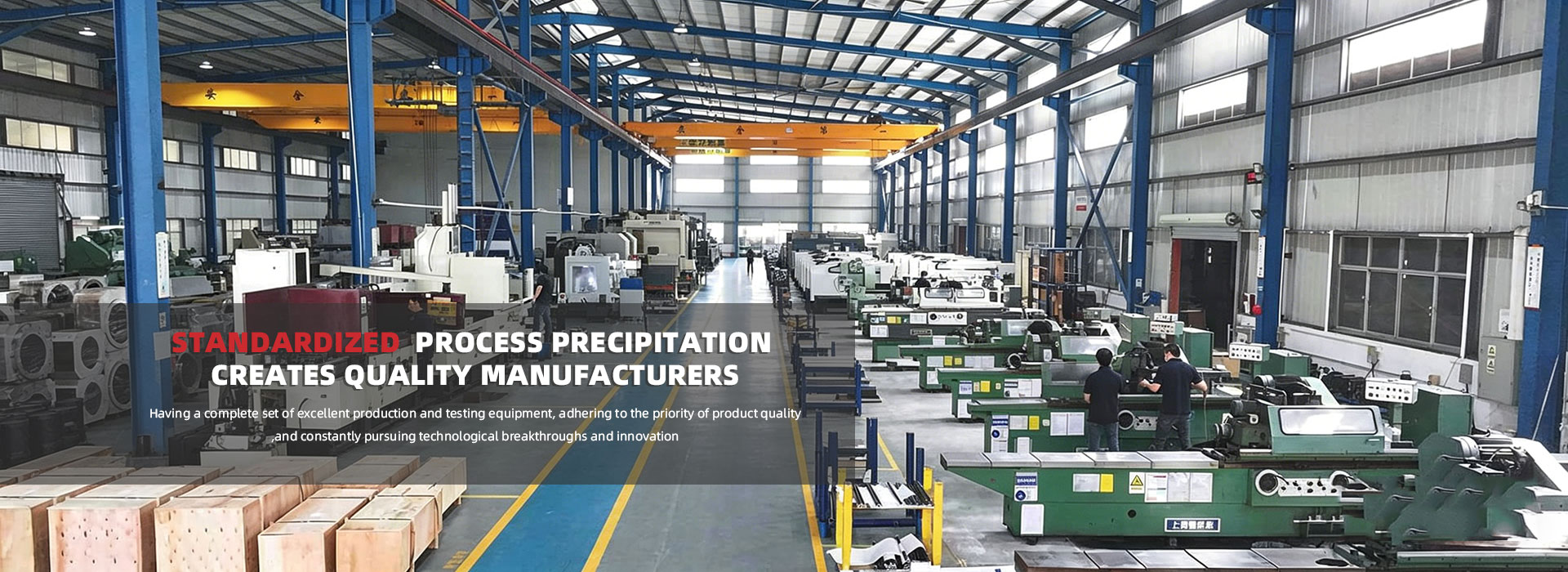
- production equipment Large CNC lathe machining CNC Roll Grinding Machine Processing Precision cylindrical grinder and surface grinder processing Surface treatment equipment Inspection equipment other devices
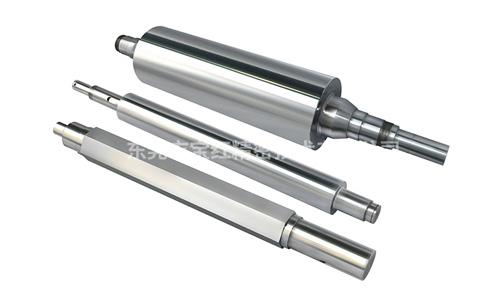
- Product Center Lithium Battery Electrode Roller Production and Grinding Services High-Precision Coating Die Production and Grinding Services Production and manufacturing of various types of precision metal rollers Production and manufacturing of carbon fiber rollers Production and manufacturing of rubber rollers Various precision machined parts
- Video
- News
-
+86 137 1222 8567
-
- Products

4News Center -> Technical Digest
The production and manufacturing process of carbon fiber rollers is a complex and delicate process, mainly including the following key steps:
Carbon fiber material selection: Choose carbon fiber materials with high strength, high modulus, and good high-temperature stability. This is the key raw material for making rollers, and its quality directly affects the performance and service life of the rollers.
Preparation of prepreg: The carbon fiber material is surface treated to improve its adhesion, and then impregnated with resin glue to form a prepreg. This step is crucial for ensuring a good bond between carbon fiber and resin.
2、 Raw material production:
Wrapping or rolling forming:
Wrapping forming: Continuous fibers (or cloth strips, pre impregnated yarns) soaked in resin glue are wound onto a core mold according to a certain pattern, and then cured and demolded to obtain carbon fiber pipe raw materials.
. The winding forming process can be divided into three types: dry winding, wet winding, and semi dry winding, among which wet winding is the most commonly used.
Roll forming: The prepreg is laid on the core mold, rolled by a tube rolling machine, and then sent to a hot press tank for heating to become a rough carbon fiber tube.
Blank processing: necessary cutting and trimming of the blank to ensure that the size and shape meet the design requirements.
3、 Rough machining: Initial machining of the blank using a lathe to remove most of the excess and provide a reference for subsequent machining. The rough machining process requires high efficiency and low precision, usually carried out on machine tools with high power and low precision.
Semi precision machining: further processing the blank to complete the machining of the secondary surface and prepare for the precision machining of the main surface. At this stage, surface cleaning and inspection are required to promptly detect and treat defects such as pores, white spots, and pits.
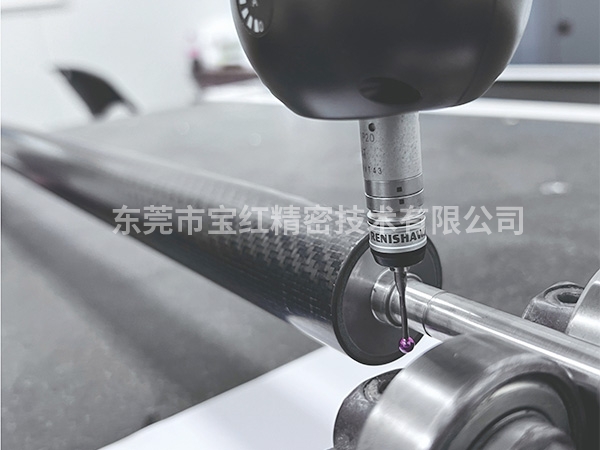
Precision machining: Use high-precision lathes and grinders to smooth the surface of the roller, remove excess resin layers, and polish the aluminum alloy parts at both ends of the roller shaft to improve surface smoothness and overall uniformity. The precision machining process requires ensuring that the form and position tolerances of the rollers (such as roundness, cylindricity, and straightness) meet the requirements of the drawings, and conducting dynamic balance tests to ensure the stability and performance of the rollers in practical applications.
4、 Surface treatment
Spray painting: The most common surface treatment method for carbon fiber rollers is spray painting. The painting process needs to be interspersed between the rough and fine machining programs, and carried out in the order of painting (first pass), rough grinding, painting (second pass), rough grinding, fine turning, and fine grinding. After painting, it needs to undergo leveling treatment before entering the drying room for drying to prevent paint bubbles, flow and deformation.
Other surface treatments: According to actual needs, surface treatments such as electroplating and chrome plating can also be carried out to improve the corrosion resistance and aesthetics of the roller.
5、 Quality inspection and packaging: Conduct comprehensive quality inspection on the processed carbon fiber rollers, including testing of dimensional accuracy, surface quality, dynamic balance performance, etc., to ensure that the products meet design requirements and quality standards.
Packaging: Packaging products that have passed inspection to prevent damage during transportation and storage.
1、 Raw material preparationCarbon fiber material selection: Choose carbon fiber materials with high strength, high modulus, and good high-temperature stability. This is the key raw material for making rollers, and its quality directly affects the performance and service life of the rollers.
Preparation of prepreg: The carbon fiber material is surface treated to improve its adhesion, and then impregnated with resin glue to form a prepreg. This step is crucial for ensuring a good bond between carbon fiber and resin.
2、 Raw material production:
Wrapping or rolling forming:
Wrapping forming: Continuous fibers (or cloth strips, pre impregnated yarns) soaked in resin glue are wound onto a core mold according to a certain pattern, and then cured and demolded to obtain carbon fiber pipe raw materials.
. The winding forming process can be divided into three types: dry winding, wet winding, and semi dry winding, among which wet winding is the most commonly used.
Roll forming: The prepreg is laid on the core mold, rolled by a tube rolling machine, and then sent to a hot press tank for heating to become a rough carbon fiber tube.
Blank processing: necessary cutting and trimming of the blank to ensure that the size and shape meet the design requirements.
3、 Rough machining: Initial machining of the blank using a lathe to remove most of the excess and provide a reference for subsequent machining. The rough machining process requires high efficiency and low precision, usually carried out on machine tools with high power and low precision.
Semi precision machining: further processing the blank to complete the machining of the secondary surface and prepare for the precision machining of the main surface. At this stage, surface cleaning and inspection are required to promptly detect and treat defects such as pores, white spots, and pits.
Precision machining: Use high-precision lathes and grinders to smooth the surface of the roller, remove excess resin layers, and polish the aluminum alloy parts at both ends of the roller shaft to improve surface smoothness and overall uniformity. The precision machining process requires ensuring that the form and position tolerances of the rollers (such as roundness, cylindricity, and straightness) meet the requirements of the drawings, and conducting dynamic balance tests to ensure the stability and performance of the rollers in practical applications.
4、 Surface treatment
Spray painting: The most common surface treatment method for carbon fiber rollers is spray painting. The painting process needs to be interspersed between the rough and fine machining programs, and carried out in the order of painting (first pass), rough grinding, painting (second pass), rough grinding, fine turning, and fine grinding. After painting, it needs to undergo leveling treatment before entering the drying room for drying to prevent paint bubbles, flow and deformation.
Other surface treatments: According to actual needs, surface treatments such as electroplating and chrome plating can also be carried out to improve the corrosion resistance and aesthetics of the roller.
5、 Quality inspection and packaging: Conduct comprehensive quality inspection on the processed carbon fiber rollers, including testing of dimensional accuracy, surface quality, dynamic balance performance, etc., to ensure that the products meet design requirements and quality standards.
Packaging: Packaging products that have passed inspection to prevent damage during transportation and storage.